August 2021
75 posts: 6 entries, 20 links, 8 quotes, 41 beats
Aug. 2, 2021

OkCupid had a CSRF vulnerability
(via)
Good write-up of a (now fixed) CSRF vulnerability on OkCupid. Their site worked by POSTing JSON objects to an API. JSON POSTs are usually protected against CSRF because they can only be sent using fetch() or XMLHttpRequest, which are protected by the same-origin policy. Yan Zhu notes that you can use the enctype="text/plain" attribute on a form (introduced in HTML5) and a crafty hidden input element with name='{"foo":"' value='bar"}' to construct JSON in an off-site form, which enabled CSRF attacks.
Aug. 3, 2021
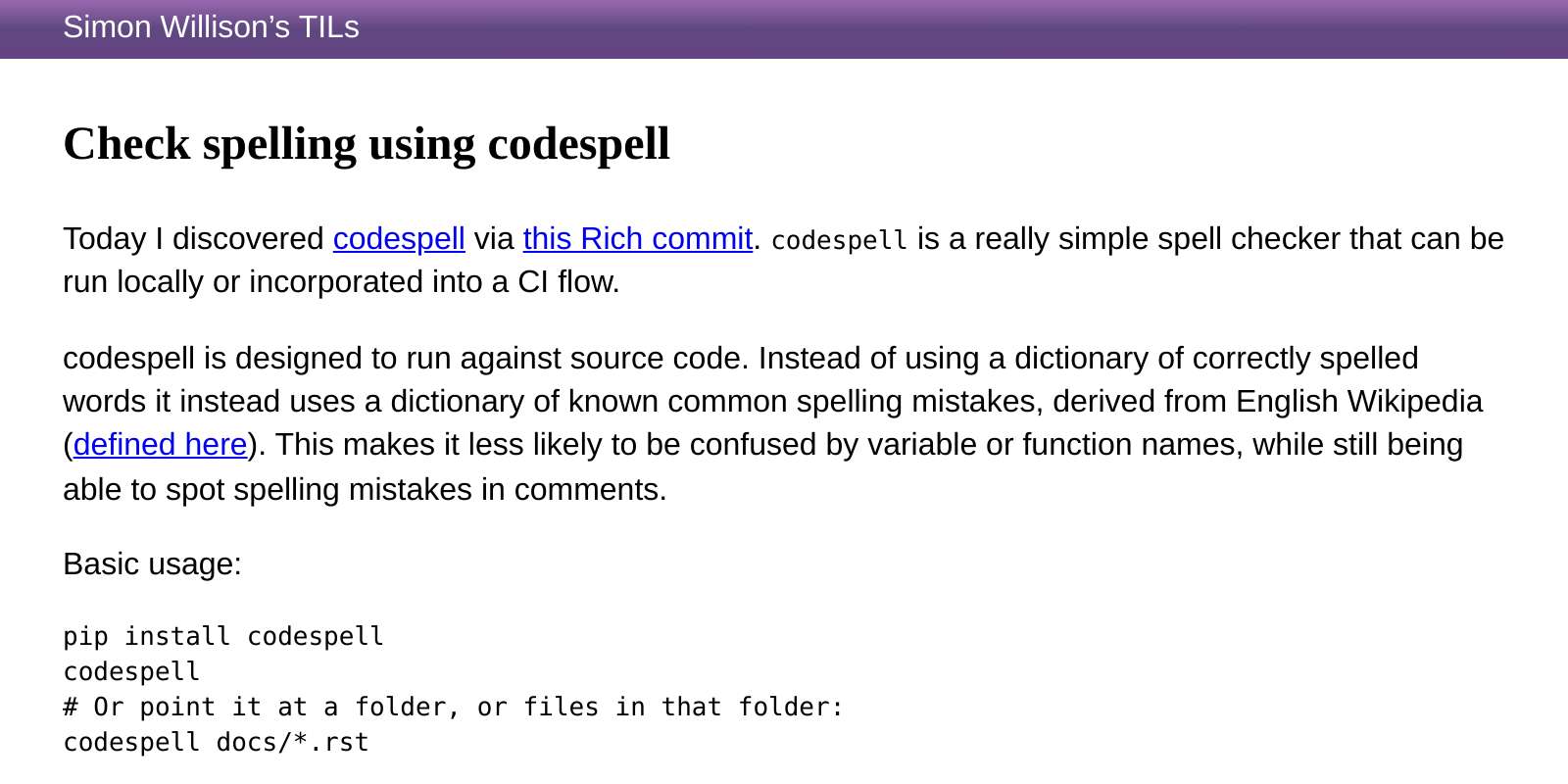
Exploring the SameSite cookie attribute for preventing CSRF
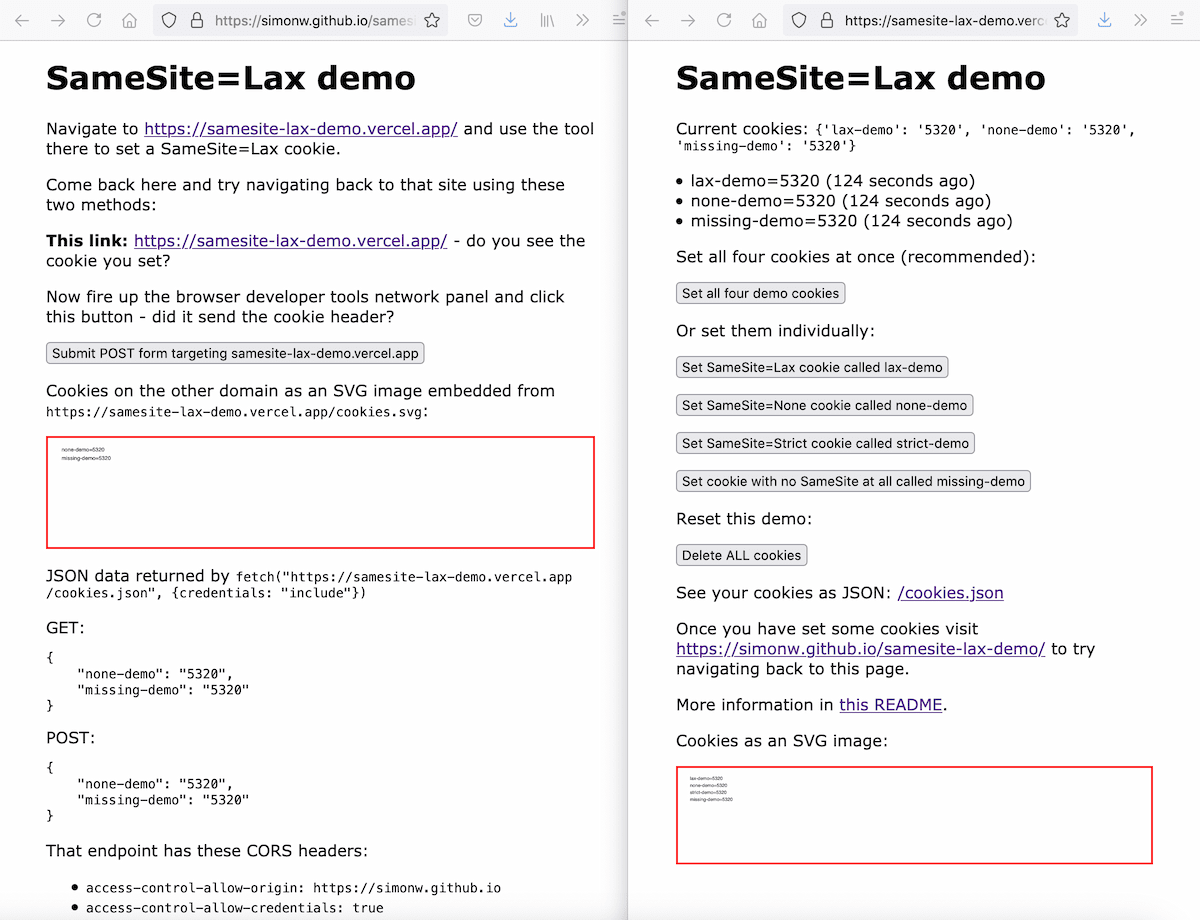
In reading Yan Zhu’s excellent write-up of the JSON CSRF vulnerability she found in OkCupid one thing puzzled me: I was under the impression that browsers these days default to treating cookies as SameSite=Lax, so I would expect attacks like the one Yan described not to work in modern browsers.
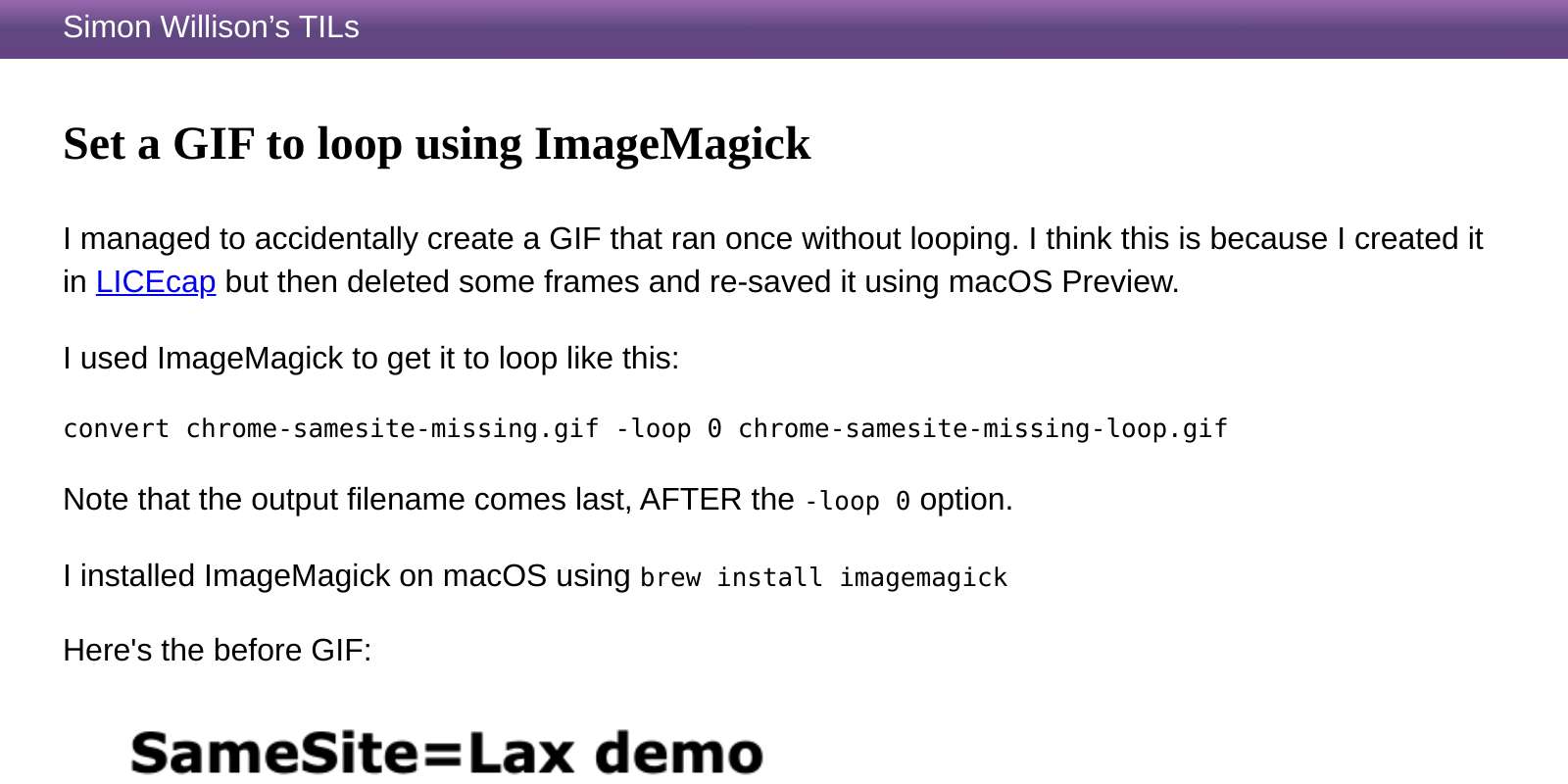
Aug. 4, 2021

Aug. 6, 2021

Apply conversion functions to data in SQLite columns with the sqlite-utils CLI tool
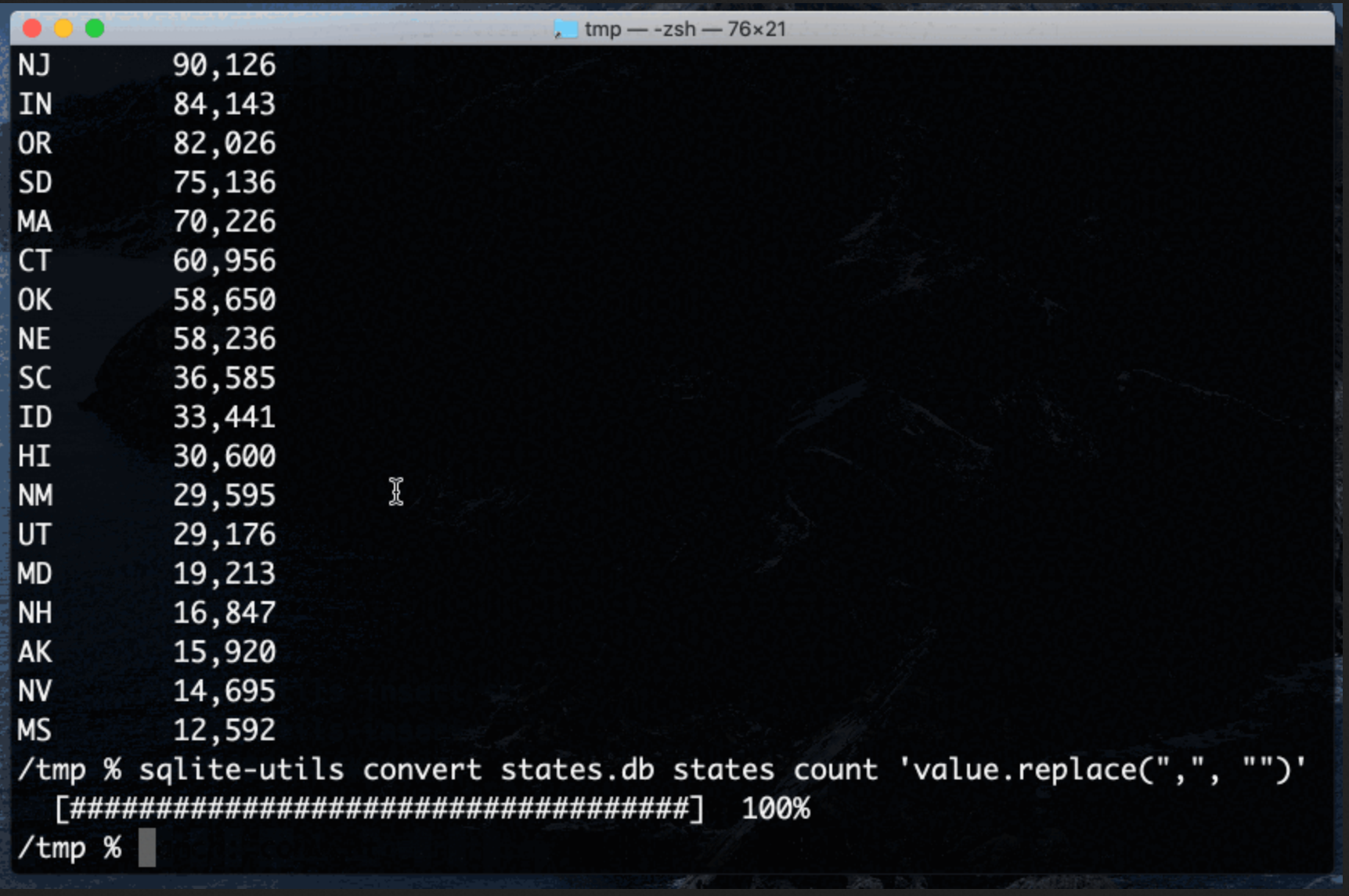
Earlier this week I released sqlite-utils 3.14 with a powerful new command-line tool: sqlite-utils convert, which applies a conversion function to data stored in a SQLite column.
Breaking Changes to the Web Platform (via) “Over the years there have been necessary changes to the web platform that caused legacy websites to break.”—this list is thankfully very short, only 11 items so far. Let’s hope it stays that way!
The thing about semver major version numbers are that they don't mean new stuff, they're a permanent reminder of how many times you got the API wrong. Semver doesn't mean MAJOR.MINOR.PATCH, it means FAILS.FEATURES.BUGS
Running GitHub on Rails 6.0. Back in 2019 Eileen M. Uchitelle explained how GitHub upgraded everything in production to Rails 6.0 within 1.5 weeks of the stable release. There’s a trick in here I really like: they have an automated weekly job which fetches the latest Rails main branch and runs the full GitHub test suite against it, giving them super-early warnings about anything that might break and letting them provide feedback to upstream about unintended regressions.
Aug. 7, 2021
Aug. 8, 2021
Stanford School Enrollment Project (via) This is Project Pelican: I’ve been working with the Big Local News team at Stanford helping bundle up and release the data they’ve been collecting on school enrollment statistics around the USA. This Datasette instance has data from 33 states for every year since 2015—3.3m rows total. Be sure to check out the accompanying documentation!
Aug. 9, 2021
The World of CSS Transforms. Comprehensive, clearly explained tutorial on CSS transforms by Josh W. Comeau, with some very neat interactive demos. I hadn’t understood how useful it is that the translate() transform treats percentages as applying to the dimensions of the element being transformed, not its parent. This means you can use expressions like transform: translateX(calc(100% + 4px)); to shift an element by its entire width plus a few more pixels.
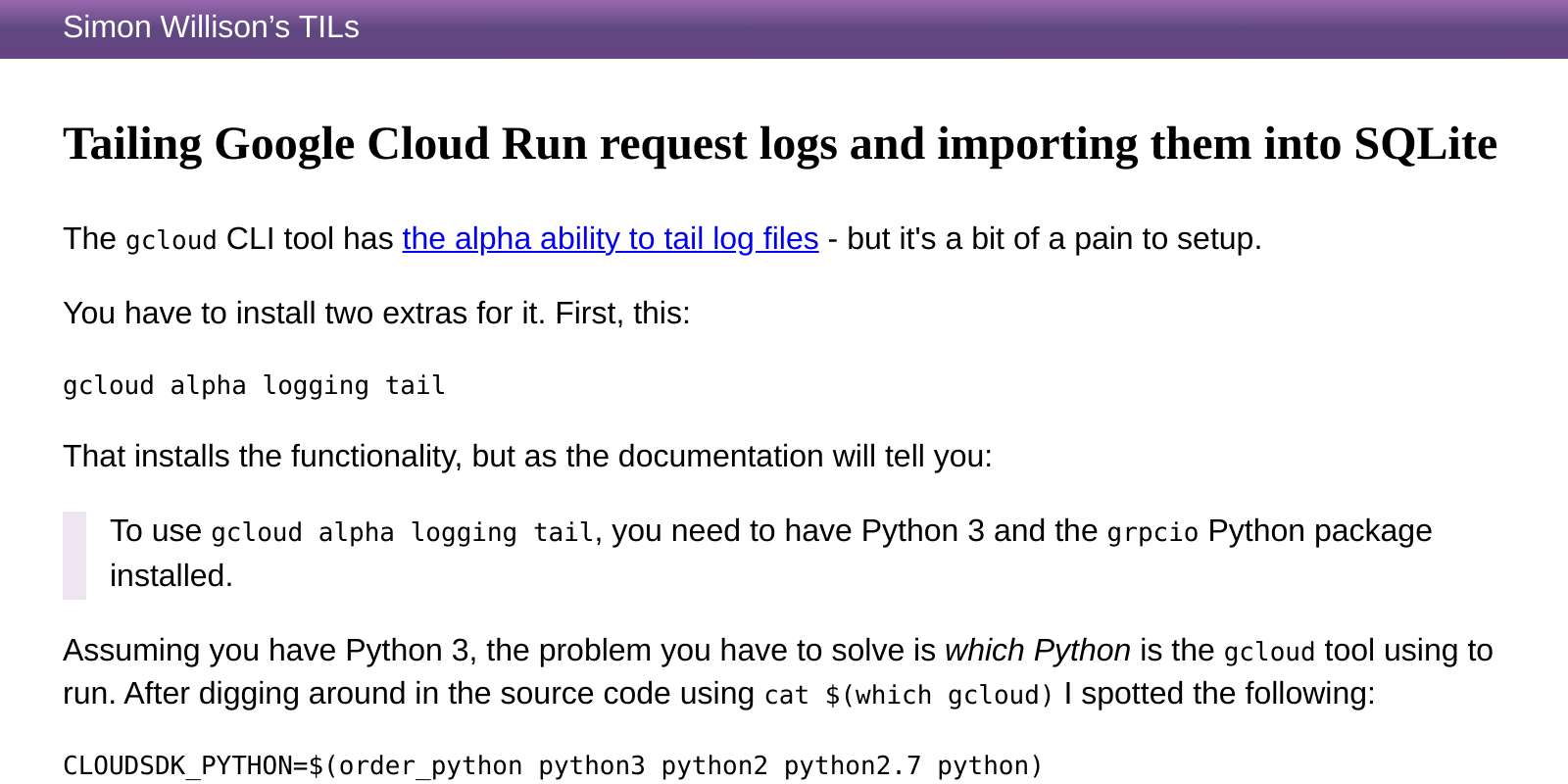

Aug. 10, 2021
Everything new in Datasette since January, plus Django SQL Dashboard. I sent out the first Datasette newsletter since late January this year, covering everything that’s new in Datasette and sqlite-utils this year and introducing Django SQL Dashboard.
Bare columns in an aggregate queries. This is a really nice SQL tweak implemented in SQLite: If you run a query like “SELECT a, b, max(c) FROM tab1 GROUP BY a” SQLite will find the row with the highest value for c and use the columns of that row as the returned values for the other columns mentioned in the query.

Aug. 11, 2021
sqlite-utils API reference (via) I released sqlite-utils 3.15.1 today with just one change, but it’s a big one: I’ve added docstrings and type annotations to nearly every method in the library, and I’ve started using sphinx-autodoc to generate an API reference page in the documentation directly from those docstrings. I’ve deliberately avoided building this kind of documentation in the past because I so often see projects where the class reference is the ONLY documentation, which I find makes it really hard to figure out how to actually use it. sqlite-utils already has extensive narrative prose documentation so in this case I think it’s a useful enhancement—especially since the docstrings and type hints can help improve the usability of the library in IDEs and Jupyter notebooks.
Adding Sphinx autodoc to a project, and configuring Read The Docs to build it. My TIL notes from figuring out how to use sphinx-autodoc for the sqlite-utils reference documentation today.