April 2022
70 posts: 5 entries, 15 links, 50 beats
Sunday, 17th April 2022
Monday, 18th April 2022
Building a Covid sewage Twitter bot (and other weeknotes)
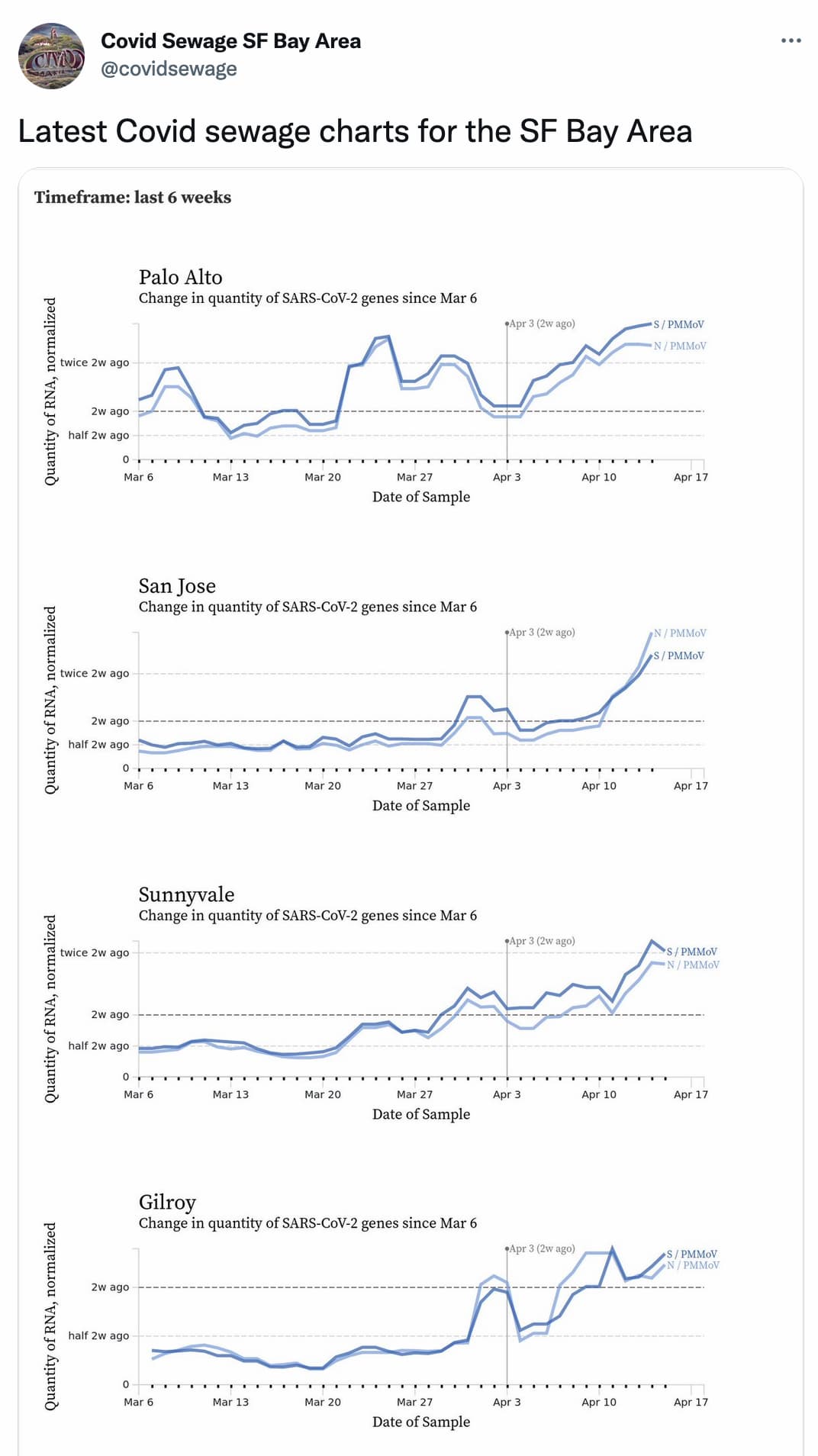
I built a new Twitter bot today: @covidsewage. It tweets a daily screenshot of the latest Covid sewage monitoring data published by Santa Clara county.
[... 1,079 words]How to push tagged Docker releases to Google Artifact Registry with a GitHub Action. Ben Welsh’s writeup includes detailed step-by-step instructions for getting the mysterious “Workload Identity Federation” mechanism to work with GitHub Actions and Google Cloud. I’ve been dragging my heels on figuring this out for quite a while, so it’s great to see the steps described at this level of detail.
Tuesday, 19th April 2022










Netlify Edge Functions: A new serverless runtime powered by Deno. You can now run Deno scripts directly in Netlify’s edge CDN—bundled as part of their default pricing plan. Interesting that they decided to host it on Deno’s Deno Deploy infrastructure. The hello world example is pleasingly succinct:
export default () => new Response(“Hello world”)
Glue code to quickly copy data from one Postgres table to another (via) The Python script that Retool used to migrate 4TB of data between two PostgreSQL databases. I find the structure of this script really interesting—it uses Python to spin up a queue full of ID ranges to be transferred and then starts some threads, but then each thread shells out to a command that runs “psql COPY (SELECT ...) TO STDOUT” and pipes the result to “psql COPY xxx FROM STDIN”. Clearly this works really well (“saturate the database’s hardware capacity” according to a comment on HN), and neatly sidesteps any issues with Python’s GIL.




Wednesday, 20th April 2022



Thursday, 21st April 2022
Web Components as Progressive Enhancement (via) I think this is a key aspect of Web Components I had been missing: since they default to rendering their contents, you can use them as a wrapper around regular HTML elements that can then be progressively enhanced once the JavaScript has loaded.
Friday, 22nd April 2022
Sunday, 24th April 2022
Useful tricks with pip install URL and GitHub
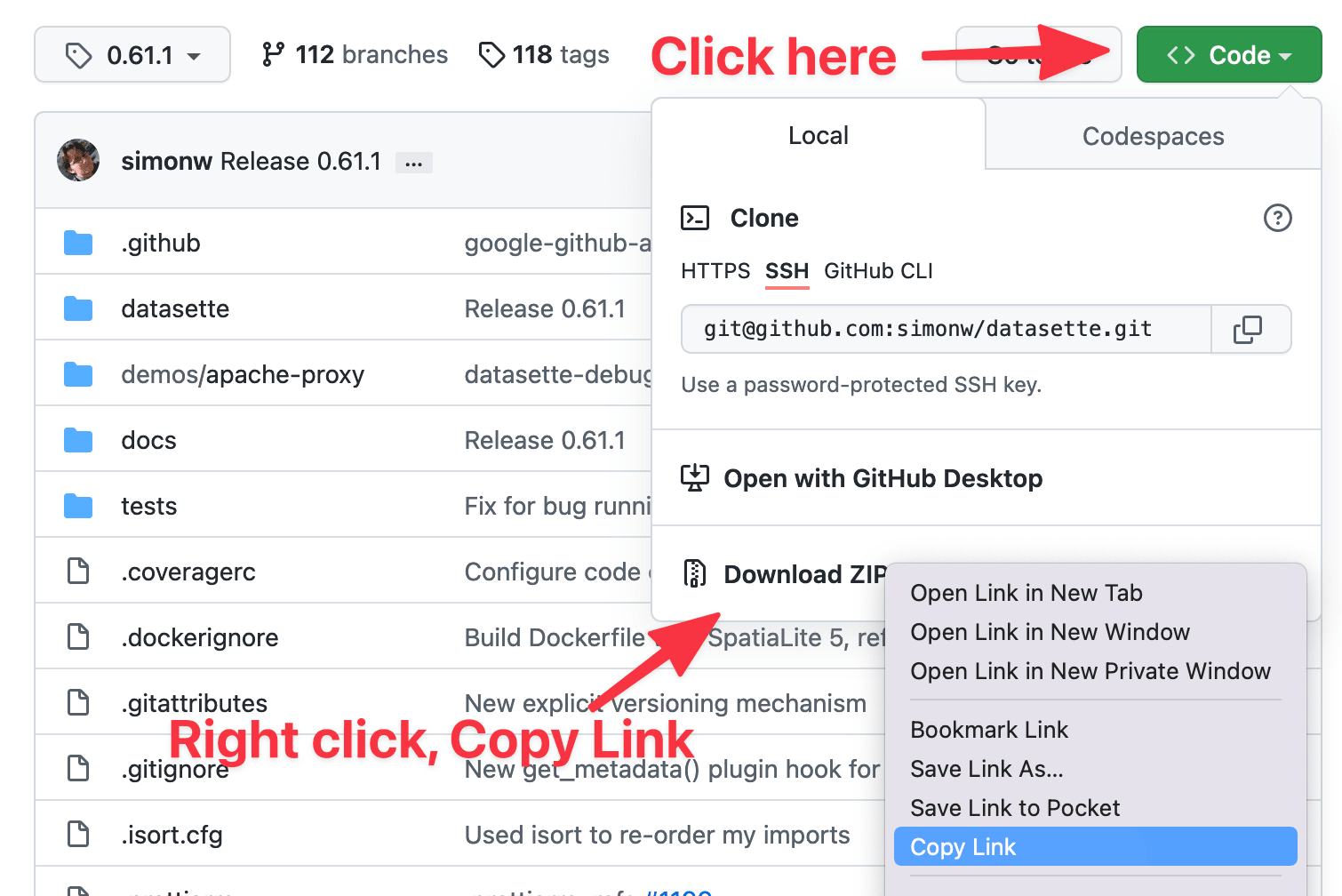
The pip install command can accept a URL to a zip file or tarball. GitHub provides URLs that can create a zip file of any branch, tag or commit in any repository. Combining these is a really useful trick for maintaining Python packages.



WebAIM guide to using iOS VoiceOver to evaluate web accessibility (via) I asked for pointers on learning to use VoiceOver on my iPhone for accessibility testing today and Matt Hobbs pointed me to this tutorial from the WebAIM group at Utah State University.

Tuesday, 26th April 2022
A tiny CI system (via) Christian Ştefănescu shares a recipe for building a tiny self-hosted CI system using Git and Redis. A post-receive hook runs when a commit is pushed to the repo and uses redis-cli to push jobs to a list. Then a separate bash script runs a loop with a blocking “redis-cli blpop jobs” operation which waits for new jobs and then executes the CI job as a shell script.

jq language description (via) I love jq but I’ve always found it difficult to remember how to use it, and the manual hasn’t helped me as much as I would hope. It turns out the jq wiki on GitHub offers an alternative, more detailed description of the language which fits the way my brain works a lot better.
Learn Go with tests. I really like this approach to learning a new language: start by learning to write tests (which gets you through hello world, environment setup and test running right from the beginning) and use them to explore the language. I also really like how modern Go development no longer depends on the GOPATH, which I always found really confusing.
Mac OS 8 emulated in WebAssembly (via) Absolutely incredible project by Mihai Parparita. This is a full, working copy of Mac OS 8 (from 1997) running in your browser via WebAssembly—and it’s fully loaded with games and applications too. I played with Photoshop 3.0 and Civilization and there’s so much more on there to explore too—I finally get to try out HyperCard!
HTML event handler attributes: down the rabbit hole
(via)
onclick="myfunction(event)" is an idiom for passing the click event to a function - but how does it work? It turns out the answer is buried deep in the HTML spec - the browser wraps that string of code in a function(event) { ... that string ... } function and makes the event available to its local scope that way.
Wednesday, 27th April 2022
Weeknotes: Parallel SQL queries for Datasette, plus some middleware tricks
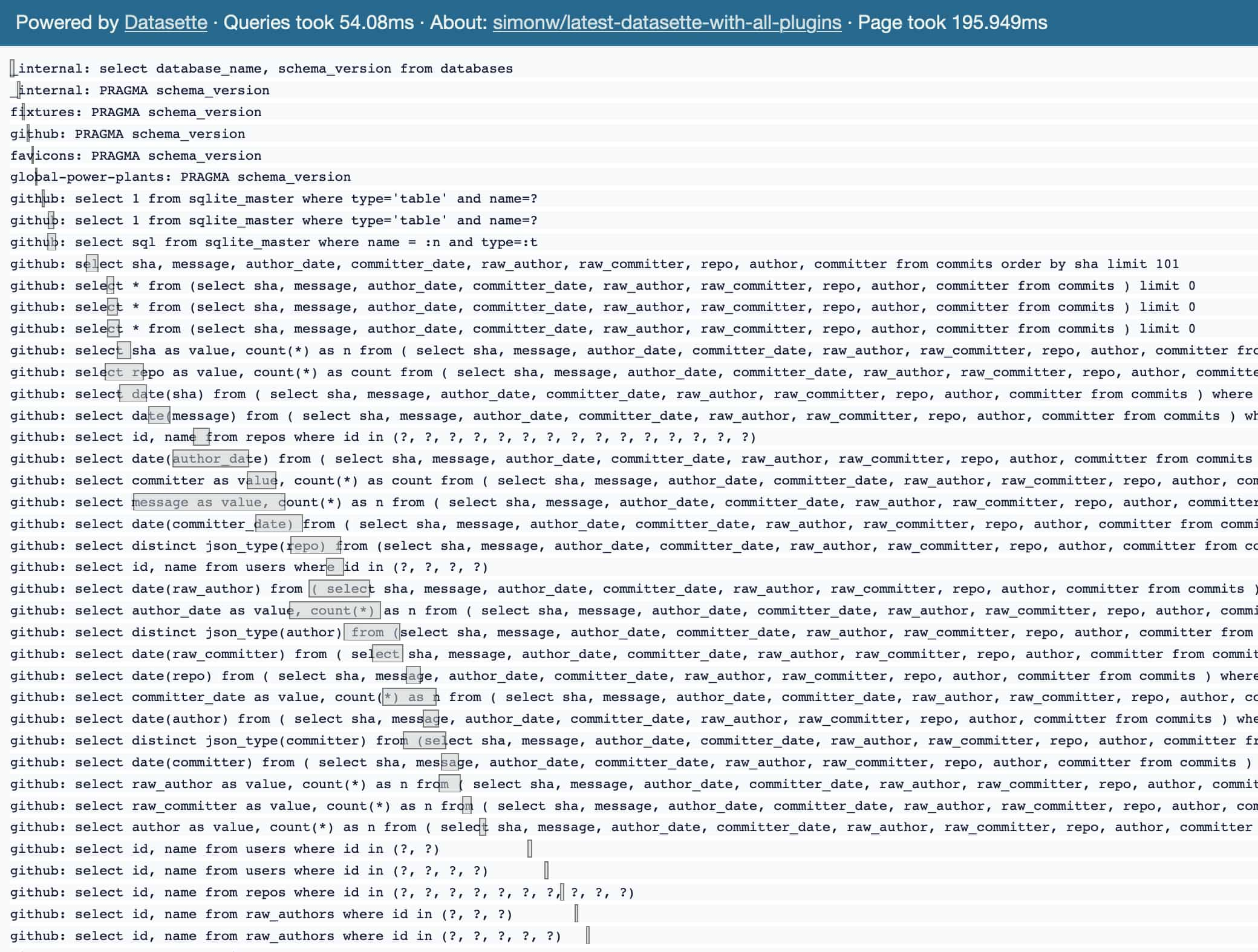
A promising new performance optimization for Datasette, plus new datasette-gzip and datasette-total-page-time plugins.