Friday, 24th April 2026
Serving the For You feed. One of Bluesky's most interesting features is that anyone can run their own custom "feed" implementation and make it available to other users - effectively enabling custom algorithms that can use any mechanism they like to recommend posts.
spacecowboy runs the For You Feed, used by around 72,000 people. This guest post on the AT Protocol blog explains how it works.
The architecture is fascinating. The feed is served by a single Go process using SQLite on a "gaming" PC in spacecowboy's living room - 16 cores, 96GB of RAM and 4TB of attached NVMe storage.
Recommendations are based on likes: what else are the people who like the same things as you liking on the platform?
That Go server consumes the Bluesky firehose and stores the relevant details in SQLite, keeping the last 90 days of relevant data, which currently uses around 419GB of SQLite storage.
Public internet traffic is handled by a $7/month VPS on OVH, which talks to the living room server via Tailscale.
Total cost is now $30/month: $20 in electricity, $7 in VPS and $3 for the two domain names. spacecowboy estimates that the existing system could handle all ~1 million daily active Bluesky users if they were to switch to the cheapest algorithm they have found to work.
An update on recent Claude Code quality reports (via) It turns out the high volume of complaints that Claude Code was providing worse quality results over the past two months was grounded in real problems.
The models themselves were not to blame, but three separate issues in the Claude Code harness caused complex but material problems which directly affected users.
Anthropic's postmortem describes these in detail. This one in particular stood out to me:
On March 26, we shipped a change to clear Claude's older thinking from sessions that had been idle for over an hour, to reduce latency when users resumed those sessions. A bug caused this to keep happening every turn for the rest of the session instead of just once, which made Claude seem forgetful and repetitive.
I frequently have Claude Code sessions which I leave for an hour (or often a day or longer) before returning to them. Right now I have 11 of those (according to ps aux | grep 'claude ') and that's after closing down dozens more the other day.
I estimate I spend more time prompting in these "stale" sessions than sessions that I've recently started!
If you're building agentic systems it's worth reading this article in detail - the kinds of bugs that affect harnesses are deeply complicated, even if you put aside the inherent non-deterministic nature of the models themselves.
russellromney/honker (via) "Postgres NOTIFY/LISTEN semantics" for SQLite, implemented as a Rust SQLite extension and various language bindings to help make use of it.
The design of this looks very solid. It lets you write Python code for queues that looks like this:
import honker

db = honker.open("app.db")
emails = db.queue("emails")
emails.enqueue({"to": "alice@example.com"})

# Consume (in a worker process)
async for job in emails.claim("worker-1"):
    send(job.payload)
    job.ack()
And Kafka-style durable streams like this:
stream = db.stream("user-events")

with db.transaction() as tx:
    tx.execute("UPDATE users SET name=? WHERE id=?", [name, uid])
    stream.publish({"user_id": uid, "change": "name"}, tx=tx)

async for event in stream.subscribe(consumer="dashboard"):
    await push_to_browser(event)
It also adds 20+ custom SQL functions including these two:
SELECT notify('orders', '{"id":42}');
SELECT honker_stream_read_since('orders', 0, 1000);
The extension requires WAL mode, and workers can poll the .db-wal file with a stat call every 1ms to get as close to real-time as possible without the expense of running a full SQL query.
honker implements the transactional outbox pattern, which ensures items are only queued if a transaction successfully commits. My favorite explanation of that pattern remains Transactionally Staged Job Drains in Postgres by Brandur Leach. It's great to see a new implementation of that pattern for SQLite.
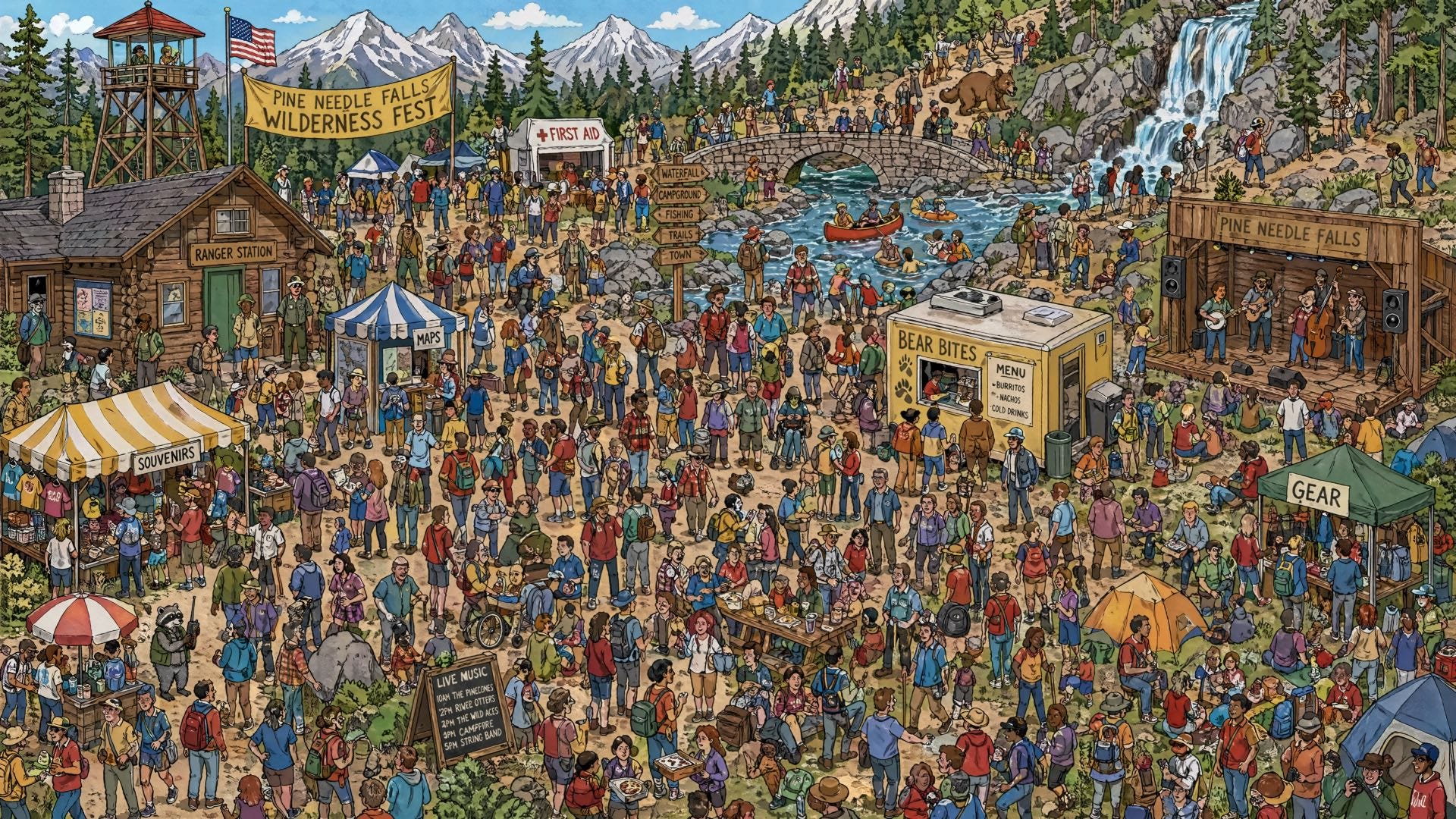
This week's edition of my email newsletter (aka content from this blog delivered to your inbox) features 4 pelicans riding bicycles, 1 possum on an e-scooter, up to 5 raccoons with ham radios hiding in crowds, 5 blog posts, 8 links, 3 quotes and a new chapter of my Agentic Engineering Patterns guide.
LLM reports prompt durations in milliseconds and I got fed up of having to think about how to convert those to seconds and minutes.
DeepSeek V4—almost on the frontier, a fraction of the price

Chinese AI lab DeepSeek’s last model release was V3.2 (and V3.2 Speciale) last December. They just dropped the first of their hotly anticipated V4 series in the shape of two preview models, DeepSeek-V4-Pro and DeepSeek-V4-Flash.
[... 703 words]The people do not yearn for automation (via) This written and video essay by Nilay Patel explores why AI is unpopular with the general public even as usage numbers for ChatGPT continue to skyrocket.
It’s a superb piece of commentary, and something I expect I’ll be thinking about for a long time to come.
Nilay’s core idea is that people afflicted with “software brain” - who see the world as something to be automated as much as possible, and attempt to model everything in terms of information flows and data - are becoming detached from everyone else.
[…] software brain has ruled the business world for a long time. AI has just made it easier than ever for more people to make more software than ever before — for every kind of business to automate big chunks of itself with software. It’s everywhere: the absolute cutting edge of advertising and marketing is automation with AI. It’s not being a creative.
But: not everything is a business. Not everything is a loop! The entire human experience cannot be captured in a database. That’s the limit of software brain. That’s why people hate AI. It flattens them.
Regular people don’t see the opportunity to write code as an opportunity at all. The people do not yearn for automation. I’m a full-on smart home sicko; the lights and shades and climate controls of my house are automated in dozens of ways. But huge companies like Apple, Google and Amazon have struggled for over a decade now to make regular people care about smart home automation at all. And they just don’t.
- New GPT-5.5 OpenAI model:
llm -m gpt-5.5. #1418- New option to set the text verbosity level for GPT-5+ OpenAI models:
-o verbosity low. Values arelow,medium,high.- New option for setting the image detail level used for image attachments to OpenAI models:
-o image_detail low- values arelow,highandauto, and GPT-5.4 and 5.5 also acceptoriginal.- Models listed in
extra-openai-models.yamlare now also registered as asynchronous. #1395